Priced Out, Not Pushed Out: NJ Artists Are Fighting to Stay — and Winning
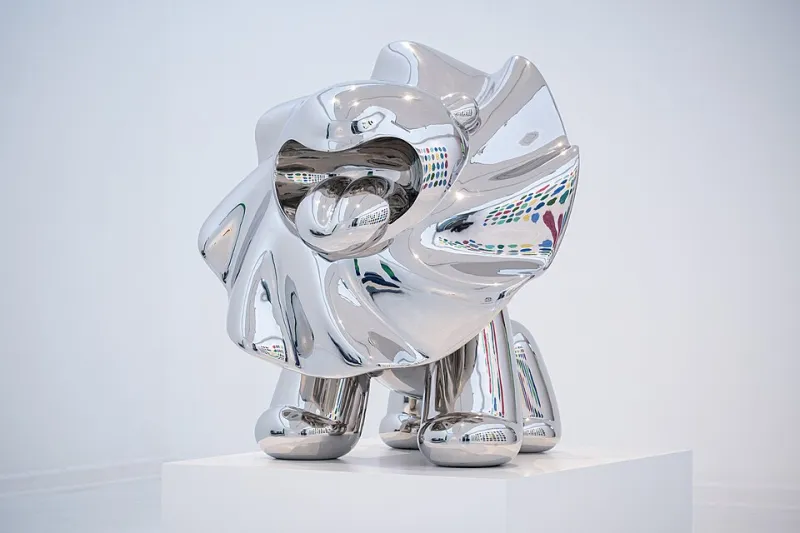
Photo: FerdiBDick, CC BY 4.0, via Wikimedia Commons
There's a particular kind of grief that comes with losing your studio. Not just the space itself — the paint-stained floors, the afternoon light through the fire escape window, the neighborhood coffee spot where the owner knew your name — but the whole ecosystem that made the work possible in the first place. In New Jersey, that grief is becoming disturbingly familiar.
Across Newark, Jersey City, Trenton, and a string of smaller cities in between, artists who spent years building lives and careers in once-affordable neighborhoods are now watching their communities transform around them at a pace that feels almost violent. Luxury condos are rising where rehearsal spaces used to be. Galleries are closing because landlords tripled the rent. Long-term residents — the painters, muralists, musicians, and performers who gave these neighborhoods their cultural texture — are being pushed to the margins.
But here's what the developers and the displacement narratives often leave out: a whole lot of Jersey artists are fighting back.
The Numbers Behind the Squeeze
New Jersey's affordability crisis is well-documented, but its specific impact on creative workers tends to get lost in the broader housing conversation. According to data from the New Jersey Department of Community Affairs, median rents in Newark jumped nearly 30 percent between 2019 and 2023. Jersey City, long marketed as a more accessible alternative to Manhattan, now regularly posts one-bedroom apartments north of $2,500 a month. Trenton, historically one of the state's most affordable urban centers, is beginning to feel the ripple effects of regional pressure.
For artists — who often patch together income from gigs, commissions, part-time work, and teaching — these numbers aren't just inconvenient. They're existential. A ceramicist in the Ironbound who needs both a living space and a workspace is looking at costs that simply don't pencil out on a creative income. A theater director in Trenton running a community ensemble on grants and ticket sales has almost no margin for a rent hike.
"I did everything right," says one Newark-based visual artist who asked to remain anonymous while navigating a lease dispute. "I built relationships, I showed up for the neighborhood, I kept my studio here even when people told me to leave. And now I might lose it anyway because someone decided my block was worth more to a developer."
Co-Living, Co-Working, and Collective Power
Out of necessity, some of New Jersey's most creative problem-solvers are turning their housing instincts on themselves. Co-living arrangements — where artists pool resources to share large homes, converted warehouses, or multi-unit buildings — have been quietly expanding across the state, particularly in Newark and New Brunswick.
These aren't the chaotic crash-pad situations of decades past. Many are structured, intentional communities with formal agreements, shared studio time, and rotating responsibilities. Some have even incorporated as LLCs or nonprofits to negotiate directly with landlords or apply for community development funding.
In Asbury Park, a loose collective of musicians and visual artists recently banded together to co-sign a lease on a large Victorian property, dividing it into live-work units that keep monthly costs manageable for everyone involved. The arrangement isn't perfect — shared kitchens and communal decision-making come with their own friction — but the alternative was worse.
"We figured out pretty quickly that our individual leverage was basically zero," says one member of the group. "Together, we had something. A track record, references, enough income combined to actually qualify. It changed the whole conversation."
Cities at a Crossroads
The tension between development and cultural preservation is playing out differently across the state's cities, and local policy is starting to catch up — slowly.
Newark has made some of the most visible moves. The city's ongoing investment in its arts district, anchored by institutions like the Newark Museum of Art and NJPAC, has come alongside conversations about how to keep working artists in the neighborhoods that made the district worth investing in. Several city council members have publicly backed proposals for artist live-work zoning protections, similar to models used in cities like San Francisco and Philadelphia — though implementation has been uneven.
Jersey City presents a more complicated picture. The city has a legitimate claim to being one of the most culturally dynamic places in the region, with a thriving visual arts scene and a growing number of independent performance spaces. But rapid luxury development along the waterfront and in formerly industrial neighborhoods has created intense pressure on the artists who built that scene. Some longtime residents describe feeling like props in a gentrification narrative they never agreed to participate in.
Trenton may be the most instructive case study right now. The city has real affordability, real creative energy, and real risk of repeating the mistakes made elsewhere if it doesn't get ahead of the curve. Organizations like the Trenton Arts at the Mill complex are working to anchor creative infrastructure before market forces make it impossible.
Advocacy That's Actually Moving the Needle
Beyond individual survival strategies, a growing number of New Jersey arts organizations are getting explicitly political about displacement. Groups like ArtPride New Jersey have been pushing state legislators to consider dedicated funding streams for affordable artist housing — a model that's worked in states like Minnesota and Massachusetts, where programs have helped create hundreds of units of subsidized live-work space.
There's also been momentum around community land trusts, a mechanism that removes property from the speculative market by placing it under long-term community stewardship. Several New Jersey municipalities are exploring land trust models for cultural spaces specifically, recognizing that once a rehearsal hall or gallery disappears, it rarely comes back.
Grassroots advocacy networks, often organized through social media and word-of-mouth, have become increasingly effective at applying public pressure when beloved creative spaces face closure. When a beloved Montclair studio space announced it was shutting down due to a rent increase last year, an online organizing campaign generated enough community noise to prompt a renegotiation. The space is still open.
Staying Rooted Is a Radical Act
What strikes you, talking to artists across New Jersey who are navigating all of this, is how rarely they frame their situation as victimhood. There's frustration, certainly, and real anger at systems that treat cultural workers as expendable. But there's also a stubborn, almost defiant sense that staying put — staying Jersey — is itself a form of resistance.
"People keep asking me why I don't just move somewhere cheaper," says a muralist based in Jersey City's Journal Square neighborhood, whose work covers several buildings in the area. "But this work is about here. The people in these paintings are my neighbors. If I leave, I'm not just losing a studio. I'm losing the whole reason I make art."
That sentiment — that place and practice are inseparable — is the through line connecting every artist, collective, and advocacy campaign in this story. New Jersey's creative communities aren't just fighting for square footage. They're fighting for the right to remain part of the places they helped shape.
The rent may be too damn high. But the artists aren't going anywhere without a fight.