Out, Loud, and Jersey: How Queer Creatives Are Building a Scene All Their Own
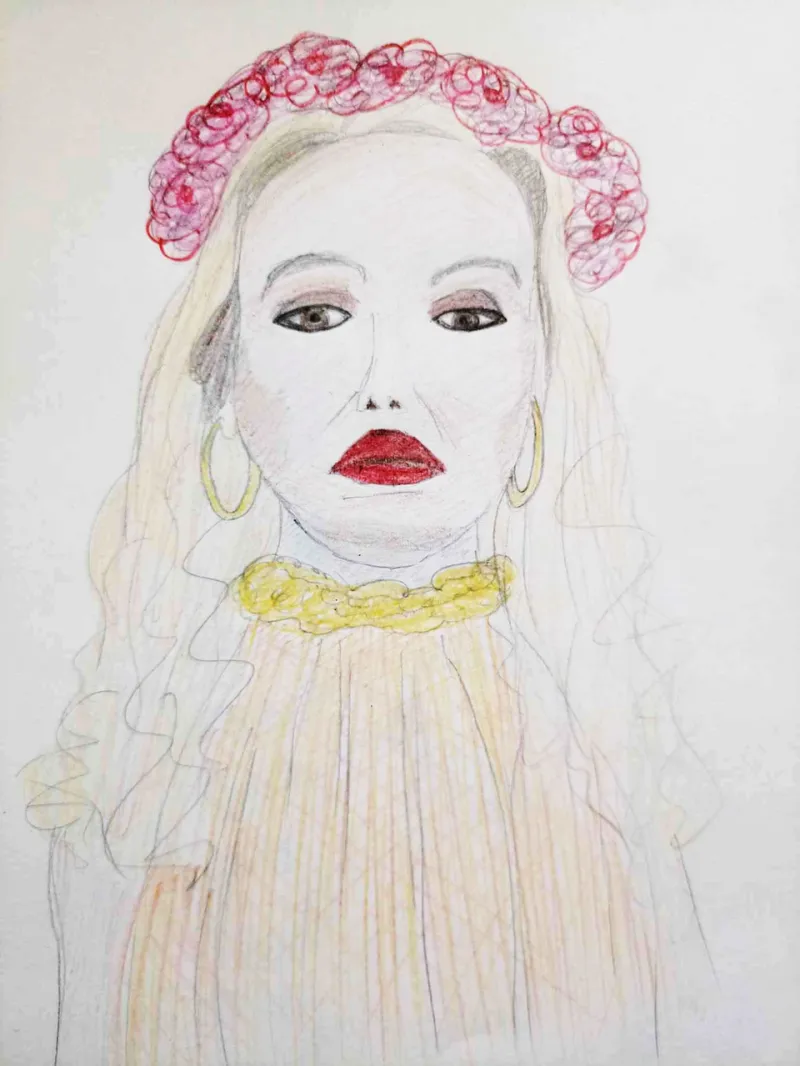
Photo: LadyBirdy38, CC0, via Wikimedia Commons
There's a moment that keeps coming up when you talk to queer artists in New Jersey. It's the moment they stopped looking across the Hudson for permission.
For years, the assumption was that if you were LGBTQ+ and creative and serious about your work, you eventually left. You packed up your canvases or your costumes or your scripts and you headed to New York, where the galleries were bigger and the audiences were queerer and the whole machine of visibility was already humming. New Jersey was a place you came from, not a place you built something in.
That story is getting rewritten — loudly, beautifully, and on Jersey's own terms.
Asbury Park Is Still the Heartbeat, But the Body Is Much Bigger Now
If you want to understand queer creative life in New Jersey, Asbury Park is still the place most people start. And honestly? It earns that reputation. The city's boardwalk culture has long attracted LGBTQ+ residents and visitors, and that energy has fed a genuine arts ecosystem — drag performers packing venues like The Empress and Georgie's, visual artists showing work in galleries that don't flinch at queer subject matter, and a general civic vibe that feels genuinely welcoming rather than performatively tolerant.
But artists and organizers will be the first to tell you that limiting the conversation to Asbury Park sells the rest of the state short.
"Asbury is incredible, but it can become a bubble," says one Newark-based visual artist and muralist who has been showing work in the city for nearly a decade. "There's this whole queer creative life happening in Newark, in Jersey City, in Trenton, in smaller towns people never think about — and it doesn't always get the same attention."
That's starting to change.
Newark's Queer Art Scene Is Having a Serious Moment
Newark — already experiencing a broader cultural surge that this magazine has covered extensively — has become an unexpected hub for queer visual art and performance. A handful of artist-run spaces and pop-up galleries have made a point of centering LGBTQ+ voices, particularly those of queer artists of color, who often find themselves doubly marginalized in mainstream art spaces.
The work coming out of these venues isn't niche in the dismissive sense that word sometimes carries. It's specific and personal and politically alive in ways that feel urgent right now. Painters exploring queer Black masculinity. Photographers documenting trans joy rather than trans struggle. Installation artists using found materials to build environments that feel like coming home.
"I wanted to make work that my younger self could have walked into and felt seen," says one emerging Newark artist whose recent show drew audiences from across the state. "Not just represented — actually seen. There's a difference."
That distinction matters. Representation as a checkbox is very different from art that's made from the inside out, and New Jersey's queer visual artists are increasingly demanding the latter.
Drag as Art Form, Not Just Entertainment
It would be easy to write about queer creativity in New Jersey and treat drag as a footnote — the fun, glittery sidebar to the serious stuff. That would be a mistake.
New Jersey has a drag community that is, frankly, extraordinary. Performers working across the state bring a level of craft, conceptual rigor, and storytelling to their work that challenges anyone still clinging to the idea that drag is just camp and lip-syncing. (Not that there's anything wrong with camp and lip-syncing, for the record.)
From politically charged performances that engage directly with anti-LGBTQ+ legislation to deeply personal narratives about identity and family, Jersey drag artists are using the form to say things that matter. Several performers have built dedicated followings not just within LGBTQ+ communities but among broader arts audiences who recognize the work for what it is: genuine theatrical and visual art.
"Drag taught me more about performance than anything I studied formally," says one performer based in Central Jersey who has been doing drag for over a decade. "It's total design — costume, character, movement, music, narrative. It's everything at once."
Queer Theater Beyond the Pride Month Slot
New Jersey's theater community has its own conversation happening about queer visibility — and it goes deeper than scheduling one LGBTQ+-themed production in June and calling it a day.
Several smaller theater companies across the state have made queer storytelling central to their identity year-round. These aren't organizations that sprinkle rainbow flags on their season brochures. They're programming work by queer playwrights, casting with intention, and creating rehearsal and production environments where LGBTQ+ artists don't have to code-switch to feel comfortable.
The results are shows that feel genuinely different — looser, more honest, less concerned with making straight audiences comfortable. Audiences are noticing. Some of the most talked-about productions in New Jersey's regional theater circuit over the past few seasons have come from these smaller, queerer companies doing work that the bigger institutional venues haven't always been willing to touch.
"We don't have the budgets of the big houses," admits the artistic director of one such company. "But we have the freedom to take risks they won't. That's not nothing. That's actually everything."
Safe Space Isn't a Buzzword — It's the Work
One theme that comes up consistently when talking to LGBTQ+ artists across New Jersey is the idea of safety — not in a fragile sense, but in the sense of having room to make work without constantly defending your right to exist.
For queer artists of color, for trans artists, for those who grew up in parts of New Jersey that were far less welcoming than Asbury Park, finding or building that space has been the work alongside the art itself. Community is infrastructure. The relationships between queer creatives — the informal networks of support, the shared resources, the showing up for each other's openings and performances — are what make a scene sustainable.
Several LGBTQ+-focused arts organizations and collectives have formalized some of that support, offering residencies, mentorship programs, and exhibition opportunities specifically for queer artists who might otherwise struggle to find entry points into the broader arts ecosystem.
"The art and the community are the same thing for us," says one organizer who runs a queer arts collective in Hudson County. "You can't separate them. The community is what makes the art possible."
What Comes Next
New Jersey's queer creative community is not a movement waiting to happen. It's already happening — in galleries and black box theaters, on stages and street corners, in studios and community centers from Hoboken to Camden.
What's shifting is visibility. Not just for outside audiences, but internally — queer artists across the state are increasingly aware of each other, building connections that cross city lines and art forms, creating something that feels less like a scattered collection of individuals and more like a genuine, statewide creative culture.
That culture doesn't need to be New York's queer scene with a Jersey accent. It's developing its own character: scrappier, more community-rooted, less interested in institutional validation, and more focused on making work that actually reaches the people it's made for.
For anyone paying attention to where New Jersey's arts scene is heading, the queer creative community isn't a subplot. It might just be the main story.