From Canvas to Capital: How NJ's Black and Brown Creatives Are Turning Art Into Legacy
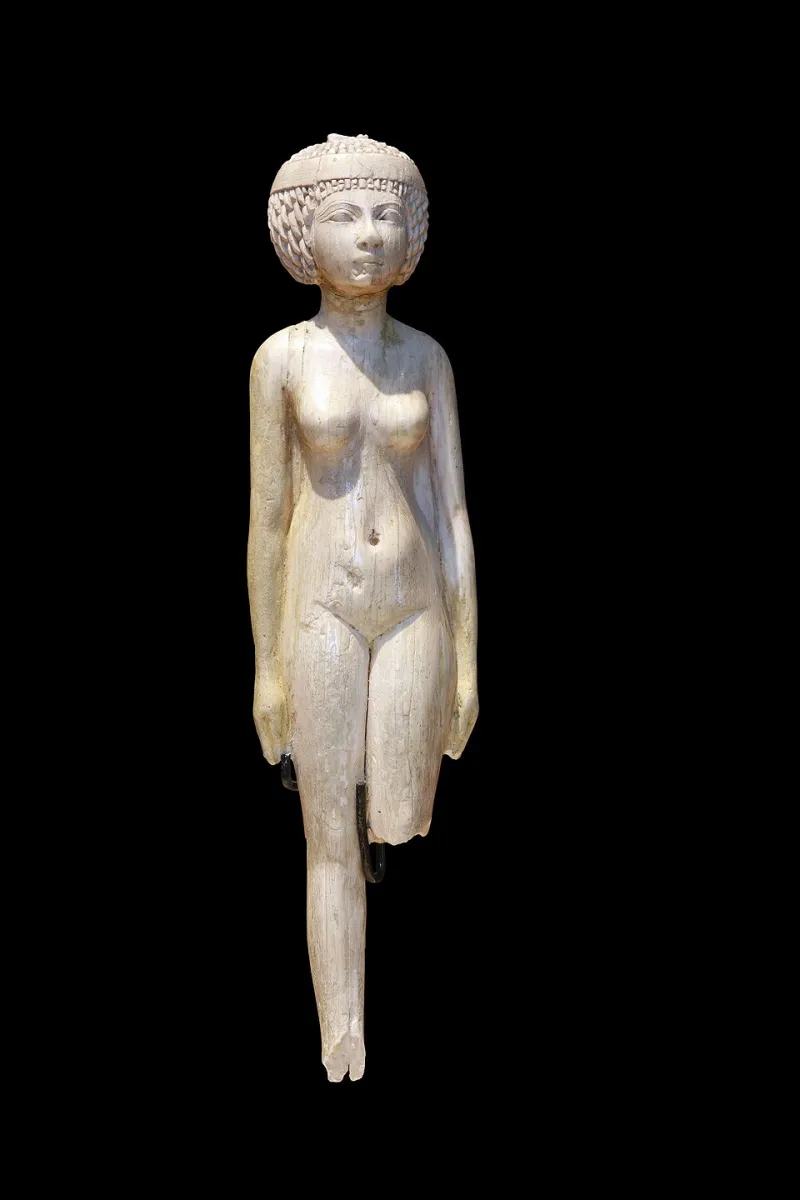
Photo: Rama, CC BY-SA 2.0 fr, via Wikimedia Commons
There's a version of the "starving artist" story that gets told over and over in this country — the one where struggle is romanticized, where poverty is proof of authenticity, and where financial success somehow means you've sold out. For a lot of Black and Brown artists in New Jersey, that narrative isn't just tired. It's dangerous.
"I grew up watching incredibly talented people in my community create beautiful things and still not be able to pay rent," says Dara Okonkwo, a visual artist and founder of Radiant Root Studio in Newark. "At some point I had to ask myself — what's the point of making art if it doesn't actually sustain your life? Or your family's life? Or your block?"
Okonkwo opened Radiant Root five years ago, and what started as a working studio has grown into a full-service creative hub offering classes, exhibition space, and a residency program specifically designed for artists of color from Essex County. It's part gallery, part school, part community anchor — and yes, part business.
"I stopped being embarrassed about the business part," she says with a laugh. "Because the business part is what keeps the lights on for everyone."
The New Architecture of the Black Creative Economy
Across the state — from Trenton to Paterson to Asbury Park — a quiet but significant shift is underway. Black and Brown artists are building creative enterprises that go far beyond the traditional model of selling work and hoping for the best. They're launching production companies, opening consulting firms, running youth programs that double as talent pipelines, and forming collectives that pool resources and share risk.
In Jersey City, filmmaker and producer Marcus Tillman runs Third Coast Media, a production company he founded after spending years watching corporate clients bypass local talent in favor of out-of-state crews. "The budgets were here. The work was here. The clients just weren't looking at us," he says. Now, Third Coast handles everything from branded content to documentary work, employing a rotating roster of mostly local, mostly Black and Latino crew members.
"We're not just making films. We're building a pipeline," Tillman explains. "Every project that comes through here is a chance to pay somebody from the neighborhood a real rate for real work."
That pipeline mentality — the idea that individual success should create opportunity for the next person — comes up again and again in conversations with NJ's Black and Brown creative entrepreneurs. It's a fundamentally different framework than the lone-genius model that still dominates so much of the mainstream art world.
Naming the Barriers Out Loud
Of course, building anything in a system that wasn't designed for you requires confronting that system directly. The barriers are real, well-documented, and frankly exhausting to navigate.
Access to capital is the most obvious one. Studies consistently show that Black business owners are denied small business loans at significantly higher rates than their white counterparts, even when controlling for creditworthiness. For creative businesses — which often lack the hard assets that traditional lenders look for — that gap is even wider.
"I went to four banks before I found a credit union that would even have a real conversation with me," says Camille Reyes, who runs Pigment & Power, a Latinx-owned gallery and creative consulting firm in New Brunswick. "And I had a solid business plan, years of experience, and a client list. Imagine what it's like for someone just starting out."
Reyes eventually pieced together her startup funding through a mix of a community development loan, a state arts council grant, and personal savings. It took two years longer than she'd planned. "Time is money," she says flatly. "Those two years cost me."
Beyond capital, there's the subtler but equally real problem of networks. The art world — like most industries — runs heavily on who you know, who champions your work, and who invites you into rooms. Those informal systems have historically excluded artists of color, and simply "working harder" doesn't fix a structural problem.
"There are gatekeepers in this industry who will never see your value no matter what you do," says Tillman. "So we stopped asking them to open the gate. We built a different door."
What Generational Wealth Actually Looks Like in the Arts
When people talk about generational wealth, they usually mean real estate or investment portfolios. But for creative entrepreneurs, the concept gets more expansive — and more interesting.
Okonkwo recently purchased the building that houses Radiant Root, a move she describes as one of the most intentional decisions of her career. "Now this space can't be taken from the community. It can't be priced out. It becomes an asset that outlasts me." She's already begun conversations with a local nonprofit about potentially transitioning the building into a community land trust.
For others, generational wealth looks like intellectual property — owning your masters, trademarking your brand, building a catalog of work that can generate royalties or licensing revenue long after a project wraps. Tillman has been deliberate about structuring Third Coast's contracts to retain rights to as much of the company's original content as possible.
"Your catalog is your inheritance," he says. "I want my kids to have something to stand on."
Reyes, meanwhile, has built a consulting arm into Pigment & Power that now accounts for nearly half the business's revenue — advising corporations and municipalities on diversity in their creative programming. "I turned my lived experience into a service," she says. "That's not selling out. That's leverage."
The Role of Community Investment
What makes these stories particularly compelling — and particularly Jersey — is the degree to which personal success is framed as inseparable from community investment. None of the people we spoke with described their ambitions in purely individual terms.
Okonkwo's residency program has supported 22 artists over four years. Tillman's crews have collectively logged thousands of hours of paid professional experience. Reyes teaches a free monthly workshop for Latinx creatives navigating the business side of the arts.
"We were taught that success means getting out," Reyes says. "But what if success means staying in and making it better?"
That question is starting to find an audience at the policy level, too. New Jersey's State Council on the Arts has made equity a stated priority in recent grant cycles, and organizations like ArtPride NJ have been pushing for more targeted investment in underrepresented creative communities. It's a start — though most of the artists we spoke with were careful not to wait on institutions to catch up.
"Grants are great when you get them," says Okonkwo. "But I built this business to not need a grant to survive. That's the whole point."
The Bigger Picture
New Jersey has one of the most culturally diverse populations in the country. Its cities — Newark, Trenton, Paterson, Camden — are home to thriving Black and Latino communities with rich artistic traditions that have never fully received the recognition or resources they deserve.
The creative entrepreneurs profiled here aren't waiting for that recognition to arrive on someone else's timeline. They're building infrastructure, training the next generation, acquiring assets, and redefining what a sustainable creative life looks like in the Garden State.
It's not a revolution that's going to show up on a gallery wall or a festival stage. It's quieter than that — and maybe more durable. It's in the lease agreements and the LLC filings and the mentorship conversations happening over coffee in Newark and New Brunswick and Jersey City.
Art as survival. Art as strategy. Art as legacy.
That's the story being written right now in New Jersey — and it's one worth paying close attention to.