Symphonies in Sneakers: How NJ's Classical Musicians Are Blowing Up the Concert Hall Rulebook
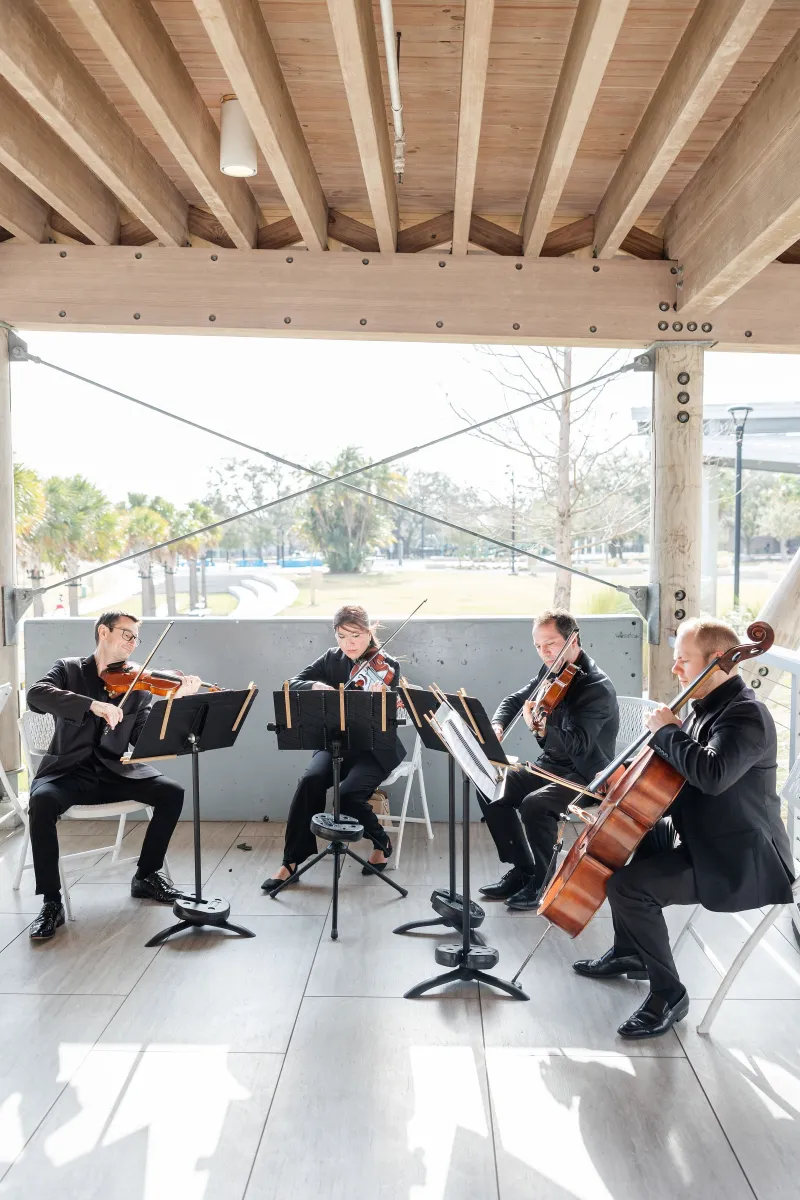
Photo: string quartet performing in community center casual urban setting, via images.squarespace-cdn.com
There's a violinist in Newark who performs Beethoven in a hoodie. Not as a stunt. Not as irony. Just because that's who she is, and because the audience sitting across from her in folding chairs at a Ironbound community center deserves to see someone who looks like them holding a bow.
That image — casual, electric, a little defiant — is becoming the defining portrait of New Jersey's classical music scene in 2024. Across the state, a generation of orchestral musicians is quietly dismantling the stuffy architecture that's kept symphonic music locked behind velvet ropes for the better part of two centuries. And they're doing it the Jersey way: scrappy, direct, and completely unapologetic.
The Weight of a "Serious" Art Form
Classical music has always carried baggage. The tuxedos. The mandatory silence. The unspoken dress code. The sense, hovering over every performance, that you'd better have done your homework before you walked through the door or you don't quite belong.
For a lot of New Jerseyans — particularly in cities like Trenton, Paterson, Camden, and Newark — that exclusivity wasn't just uncomfortable. It was a message. Classical music, in its traditional packaging, has historically signaled that certain communities aren't the intended audience. Admission prices, geographic inaccessibility, and cultural gatekeeping have kept symphonic music feeling like someone else's inheritance.
But inheritance is complicated. And a growing number of NJ-based musicians are done pretending otherwise.
"There's this mythology that classical music is neutral, that it exists outside of culture or politics," says one cellist based out of Jersey City who has been organizing informal chamber performances in local libraries and rec centers for the past three years. "But the way it's been presented — who gets to be on stage, who gets to be in the audience, what counts as a 'legitimate' venue — none of that is neutral. We're just finally saying it out loud."
Bringing the Music to the People
The venues alone tell the story. Over the past few years, New Jersey classical musicians have been performing in repurposed warehouses in Asbury Park, rooftop spaces in Hoboken, black box theaters in Montclair, and yes, community rooms in Newark that smell faintly of the potluck dinner that happened two hours before downbeat.
These aren't scaled-down performances. Musicians aren't dumbing anything down or swapping Mahler for something they think the crowd can handle. The programming is ambitious — contemporary composers sit alongside Baroque standards, and local composers, many of them from communities of color, are getting their work premiered in front of audiences who might be hearing live orchestral music for the first time.
That last part matters enormously. First-time listeners aren't treated as students who need to be educated. They're treated as exactly what they are: people who showed up.
One collective operating out of Elizabeth has made it their explicit mission to bring full ensemble performances to neighborhoods where the nearest major concert hall might as well be on the moon. They've partnered with local schools, faith communities, and neighborhood associations, building relationships first and booking venues second. The result is something that feels less like outreach — that loaded, condescending word — and more like genuine cultural exchange.
The Composer's Perspective
For New Jersey's working composers, the shift in performance culture has opened doors that felt sealed shut just a decade ago.
Traditionally, getting new orchestral work performed required navigating a deeply insular ecosystem: the right conservatory connections, the right commissioning organizations, the right relationships with conductors who programmed safe, palatable work for subscription audiences allergic to risk. That system didn't just disadvantage composers from underrepresented backgrounds — it actively filtered them out.
The new DIY classical scene in NJ operates differently. Composers are connecting directly with ensembles, pitching work to collectives rather than institutions, and finding audiences who are genuinely curious rather than defensive. Several NJ-based composers of South Asian, Latin American, and West African heritage have spoken about how the state's informal classical network has given them room to write music that reflects their full identities — not just the parts that translate easily into European concert tradition.
That's a creative freedom that doesn't show up in grant applications but is absolutely transforming what New Jersey classical music sounds like.
What About the Institutions?
To their credit, some of New Jersey's established orchestral organizations are paying attention. The New Jersey Symphony Orchestra has made visible efforts to diversify both its programming and its community engagement in recent years, including performances and events designed to reach audiences outside the traditional subscriber base. Regional ensembles in cities like Princeton and Morristown have experimented with informal concert formats and cross-genre collaborations.
But there's a tension that honest observers acknowledge: institutional change moves slowly, and the grassroots classical scene in NJ moves fast. The musicians leading warehouse performances and community center concerts aren't waiting for a board of directors to approve a new initiative. They're booking the date, printing the flyers, and showing up.
That gap — between institutional intention and street-level action — is actually productive. It creates pressure. It creates competition for audiences and for cultural relevance. And it forces even conservative classical institutions to ask harder questions about who they exist to serve.
The Sound of Something Real
What strikes you most, if you've had the chance to attend one of these informal classical events in New Jersey, isn't the music itself — though the music is often extraordinary. It's the room.
People talk between pieces. They ask questions. Kids wander in from adjacent hallways and end up sitting cross-legged in front of a string quartet, utterly transfixed. Someone's grandmother in the third row closes her eyes during an Arvo Pärt piece and doesn't open them until the last note fades. A teenager in the back is recording on his phone, not to be rude, but because he wants to show someone later.
None of that would happen in a traditional concert hall. The architecture of those spaces — the formality, the distance, the enforced reverence — prevents it.
New Jersey's classical rebels aren't abandoning the music. They're freeing it from the container that was slowly suffocating it. And in doing so, they're discovering something the gatekeepers never wanted to admit: when you take away the intimidation, when you let the music exist in a room where people feel comfortable just being human, it gets more powerful, not less.
The symphony isn't dying in New Jersey. It's just finally learning how to breathe.