The Show Must Go On (And It Did): How Jersey's Volunteer Theaters Outlasted a Pandemic
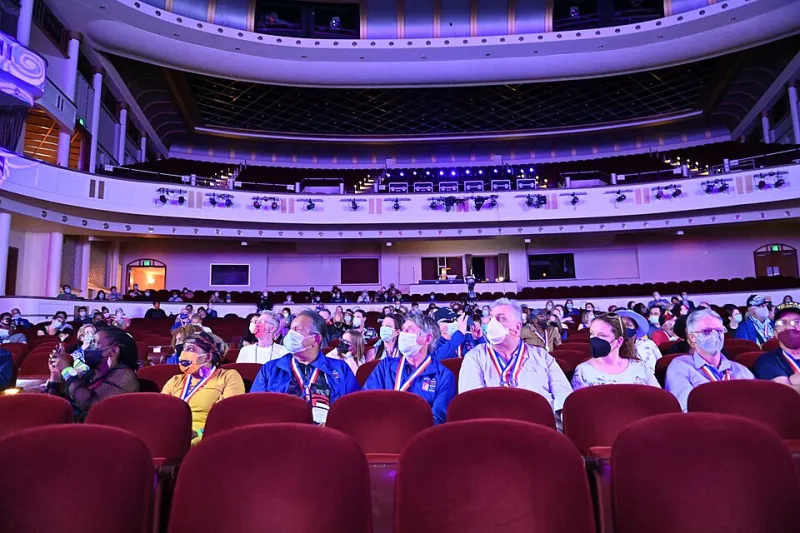
Photo: U.S. Department of Veterans Affairs, Public domain, via Wikimedia Commons
The Night the Lights Went Out
In March 2020, the phones at community theaters all over New Jersey rang with the same message: cancel everything. No spring musicals. No summer Shakespeare. No fall drama. For the volunteer-run companies that make up the backbone of the state's theatrical life, that meant more than an empty stage. It meant no ticket revenue at all.
Professional houses had endowments, donors, and eventually relief funds. Community theaters had bake sales, a folding-table concession stand, and the promise of opening night. And yet — somehow — most of them are still here. Not by accident. By sheer, stubborn creativity.
Streaming Shakespeare From a Living Room
Take the folks at a small Morris County troupe that shall forever be remembered by its members as "the Zoom era." When the pandemic hit, they'd just announced their season. Instead of scrapping it, they moved it to the internet — rehearsing over video calls, mailing scripts to actors' homes, and selling "streaming subscriptions" the way Netflix would, only with more community theater drama behind the scenes.
"We had one actor doing a monologue from his bathroom because it was the only quiet room in the house," the group's longtime director recalled with a laugh. "Our audience ate it up. People were starving for connection."
The pivot wasn't just a lifeline — it was a growth spurt. Family members scattered across the country who'd never made the drive to a Jersey church-basement performance suddenly became regular viewers. Some of them still subscribe, even now that in-person shows have returned.
Taking the Stage to the Parking Lot
Down in South Jersey, another company went the opposite direction: if audiences couldn't come inside, the theater would come to them. Armed with a generator, a portable stage, and a weather app nobody trusted, they mounted outdoor productions in parking lots, parks, and one memorable evening in a farm field where the cows provided unsolicited backup vocals.
The economics were brutal — permits, weather insurance, portable restrooms — but the community response was overwhelming. Neighbors brought lawn chairs and coolers. Local restaurants offered pop-up food stands. What started as an emergency measure turned into a beloved summer tradition the troupe still runs every August.
"We learned that people don't just come for the show," one board member told us. "They come for the night out. The parking lot gave them something to do again."
Merging to Survive
The third story might be the most pragmatic. Two small troupes in the central part of the state, both staring down empty bank accounts, did something theaters rarely do: they merged. Shared costume shops, combined mailing lists, co-produced shows under one banner while keeping their individual identities for special projects.
It wasn't without friction — artistic egos are a renewable resource in community theater — but the math was simple. Two organizations each running at 40% capacity couldn't survive. One organization running at 75% could. Today, the combined company produces a full season, runs a youth program, and has more season-ticket holders than either group had before the pandemic.
Passion Over Profit, Always
Here's what all three stories have in common: nobody was in it for the money, so nobody could be driven out by the lack of it. When your theater runs on love — love of the craft, of the community, of the weird, wonderful mess of putting on a show — you find a way.
The pandemic tested that love like nothing before. It also revealed something New Jerseyans have always known deep down: the arts here aren't a luxury imported from Manhattan. They're homegrown, volunteer-powered, and tougher than they look.
So the next time you pass a community theater with a hand-painted sign and a marquee missing a letter, buy a ticket. These stages almost went dark once. Keeping them lit is the cheapest culture insurance you'll ever find.